


 BranchCase study 03
Help a marketer make the link and know it works
B2B SaaS · Self-Serve Growth · Branch
A campaign link shouldn't need an engineering ticket.
A marketer came to Branch needing a link for a campaign. Getting one could mean a demo, an integration, and help from a developer. I redesigned the entry around something they could see and use: build a link, preview its destination, and confirm that tracking works. A shared design library carried that clarity into the rest of the product.
A clearer path from campaign idea to working link. −22% 90-day churn; −50% QA time reported in the project summary.
The first question was: do I need a developer?
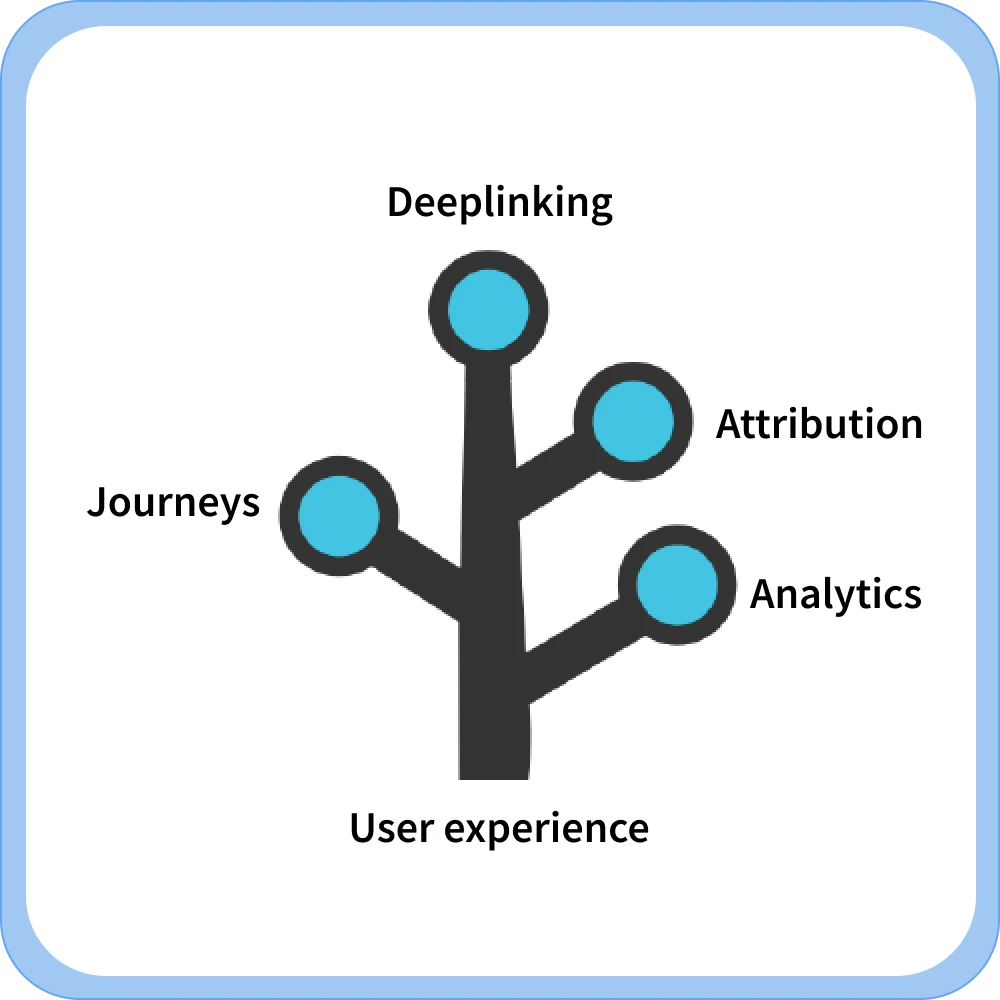
Branch already handled the difficult work of deep linking and attribution: sending people to the right app content and showing which campaigns brought them there. Developers valued that depth. Marketers struggled to find a starting point.
Self-serve adoption lagged while teams waited on demos and multi-day integrations. The opportunity was to put a useful outcome within reach before asking someone to understand the machinery behind it.
“I need deep linking for our campaign, but I don't even know where to start. Do I need a developer?”
“Every time I help our marketer, I end up building a custom dashboard for them.”
Let them see the link before they send it
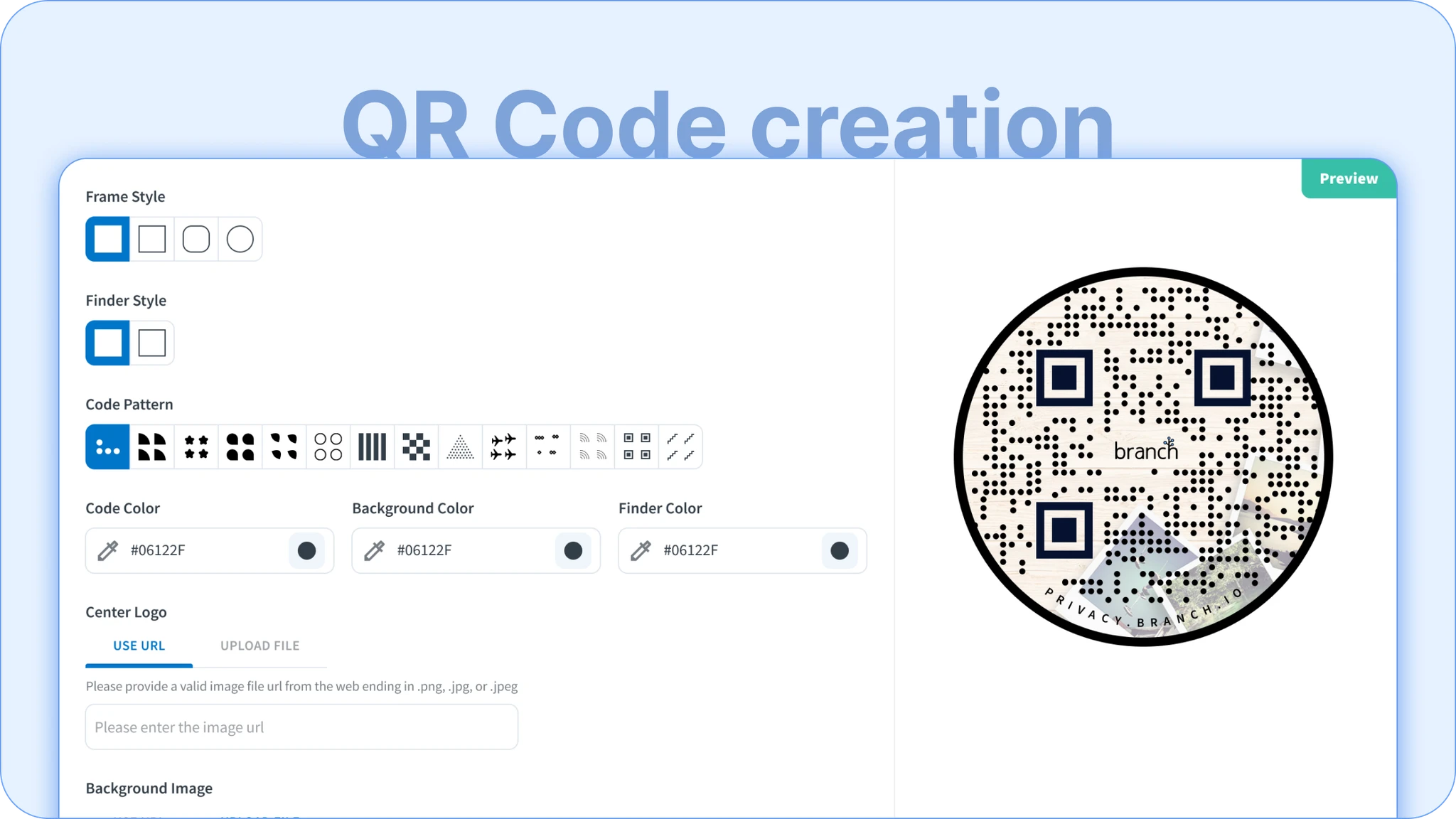
I brought templates, outcome dashboards, and journeys into the entry experience before a sales conversation. A 3-step link builder gave marketers a manageable sequence; QR and Smart Link templates gave them somewhere to begin. Live previews made the result visible while they worked. Link creation moved from hours to minutes.
The language followed their task, too. “Measure campaigns” led into guided setup. “See which channel drives installs” explained what attribution would help them answer. Unified reporting kept that question connected to the result. A visual if-this-then-that builder extended the same approach across web, app, and email.
A finished link still needs an answer: is it working?
A JSON log could tell a developer what happened. A marketer needed “tracking active.” I made that confirmation visible and rewrote errors in plain English, so checking the work didn't immediately become another request for help.
Team spaces distinguished marketer and developer roles. Shareable projects and activity logs gave both people a common view of the work. Modular analytics used learning, stable, and trending states to help explain the numbers. The aim was to make the next conversation about the campaign, with less time spent translating the dashboard.
The team needed a shared language, too
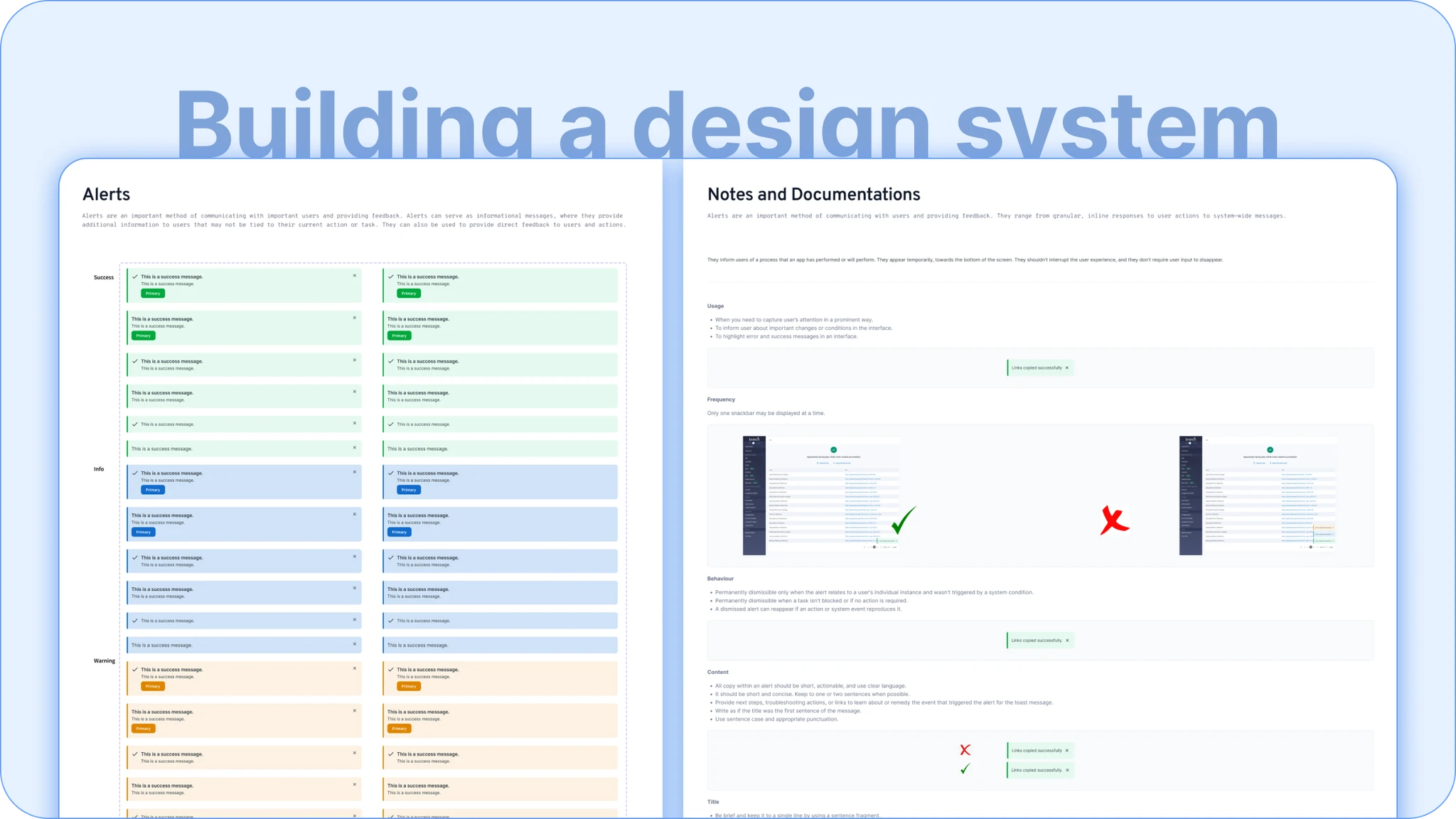
That consistency needed to survive the next release. I built the Branch Design Library with unified tokens, icons, 60+ components, usage guidelines, and Major.Minor.Patch versioning. The library gave recurring decisions, including which button style to use, a documented answer.
Engineering QA time fell by 40% on migrated modules. The project summary separately reports −50% QA time; its measurement scope is unspecified, so these figures should not be treated as interchangeable.
What changed after the redesign
First-session setup completion also improved when a useful introduction replaced the early SDK integration requirement. Together, these changes supported a shift from sales-assisted adoption toward customers getting started inside the product. The results belong to the different flows above, rather than a single measured effect of the whole redesign.
- −22% 90-day churn for enterprise customers after the Unified Link redesign.
- +15% self-serve revenue from the monetization onboarding rework.
- ~40% fewer support tickets with live previews.
Make the result easy to recognize
The link builder kept technical detail available as people needed it. The preview made that detail easier to trust. My next check would follow a marketer from creating the link to confirming tracking, watching where they still need a developer.
A link is small. Knowing it works is the product.